August 22, 2025
A 25% reciprocal tariff has come into force, with limited exemptions for key sectors
Pharmaceuticals, semiconductors, energy products and electronics exports worth $25 billion remain unaffected
The UK FTA gives India near-complete duty-free access, boosting labour-intensive exports
The EU, encouraged by the UK deal, is seeking further concessions on investment, digital trade and GIs
The India-US Bilateral Trade Agreement negotiations have hit a rough patch, with the sixth round of talks unlikely to proceed. The 25% reciprocal tariff has already taken effect, imposing an additional duty on India’s exports to the US above the existing MFN rates, except for a few key categories. Alongside, the US has also imposed a 25% tariff on imports from India of oil and arms sourced from Russia.
Exemptions apply to pharmaceuticals and their ingredients, energy products, semiconductors, and a wide range of electronics, including smartphones and tablets. These categories, worth over $25 billion, account for nearly one-third of India’s merchandise exports to the US in FY25, providing some relief to exporters.
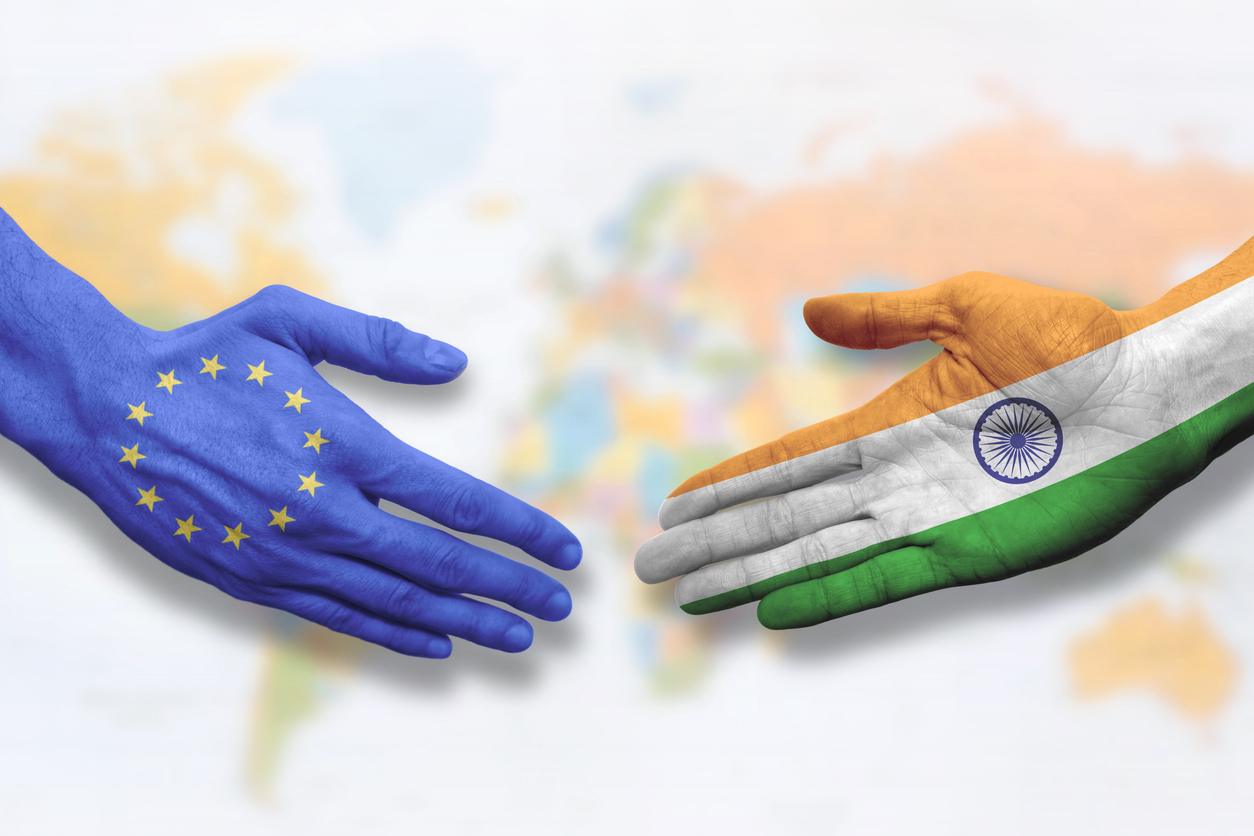
Amid uncertainty over the US track, India is turning to alternative strategies. The recently concluded free trade agreement (FTA) with the UK offers timely support, while negotiations with the European Union are expected to accelerate. With the UK deal finalised and the EFTA agreement set to come into force, Brussels now has a clearer view of India’s negotiating positions.
The UK agreement grants India duty-free access for 99% of tariff lines, compared to 47.3% earlier. This marks a significant gain for labour-intensive sectors that had lost preferential access when the UK replaced its GSP scheme in 2023. In return, India has agreed to open parts of its automobile and wine and spirits markets. Tariffs on whiskies will be cut from 150% to 75% immediately, and further to 40% by the tenth year.
The FTA also saw both sides cross long-standing red lines. India, for the first time, agreed to open its public procurement market, while the UK offered a Double Contributions Convention on social security and stronger commitments on professional mobility.
Talks with the EU, revived in 2022 after a nine-year pause, gained momentum following European Commission President Ursula von der Leyen’s visit to India in February 2025. Since then, progress has been made on several chapters, with further negotiations scheduled for mid-September. The EU is expected to push harder on investment protection, digital trade, and geographical indications, areas where differences remain. Both sides aim to conclude the deal by the end of 2025, ahead of the India-EU political summit.