July 19, 2024
Key components of India's digital infrastructure include Aadhaar, DigiLocker, and the Unified Payment Interface (UPI)
The government aims to establish a US$1 trillion digital economy by 2027-28, supported by the Digital India programme launched in 2015
From 2015 to 2021, rural internet subscriptions increased by 200%, demonstrating efforts to bridge the digital divide between rural and urban areas
During its G20 presidency, India showcased its digital achievements and gained unanimous support for its digital public infrastructure framework
Finance Minister Nirmala Sitharaman will present the Economic Survey of India for 2023-24, the government’s annual report card, in Parliament on July 22. The survey is expected to spotlight India’s significant achievements in digital public infrastructure.
India’s rapid advancements in this area have been remarkable. Amitabh Kant, India’s G20 sherpa, highlighted that India achieved in nine years what would have taken five decades without digital public infrastructure (DPI). Key examples of DPI include Aadhaar, DigiLocker, and the Unified Payment Interface (UPI), which processed 12 billion transactions in January 2024 alone.
The government is targeting a US$1 trillion digital economy by 2027-28, with the Digital India programme launched in 2015 as a cornerstone. Between 2015 and 2021, rural internet subscriptions surged by 200%, compared to a 158% increase in urban areas, reflecting efforts to bridge the digital divide.
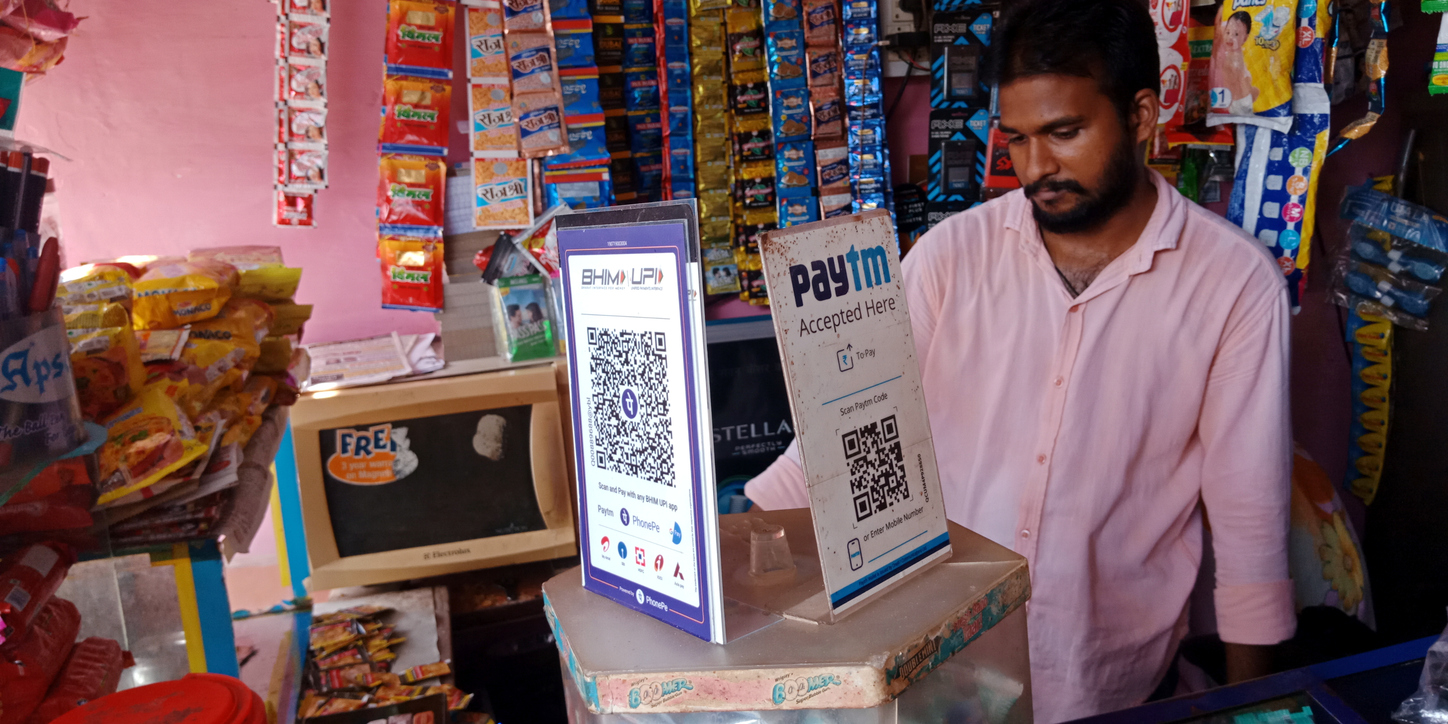
Digital payments have been a major connectivity driver, with UPI being used extensively by street vendors and large shopping malls. It accounts for nearly 46% of global digital transactions. During the COVID-19 pandemic, DPI enabled the transfer of US$4.5 billion to 160 million beneficiaries and facilitated the distribution of 2.5 million vaccinations with digital certificates.
Aadhaar, the digitised biometric proof of identity, underpins these achievements. Approximately 1.3 billion Indians possess Aadhaar, with 10 million eKYC requests processed daily. UPI supports 13 billion transactions monthly, serving 350 million individuals and 50 million merchants. DPI-enabled direct benefit transfers have saved the government US$41 billion.
During its G20 presidency, India promoted a strong digital agenda, gaining unanimous support for its DPI framework. The final report of the G20 Task Force on Digital Public Infrastructure was released on July 15, with plans to implement it during the Brazilian and South African presidencies.
India’s progress in information and telecommunications technology has been crucial. It is one of the most inclusive telecom sectors globally, with the lowest call and data rates. The nation’s 5G rollout is among the fastest worldwide, and UPI has become a global model for financial inclusion. Additionally, India has agreed to share its digital public infrastructure resources with the Global South.
Source: Moneycontrol