November 19, 2025
Australia, already a major global producer of lithium, sees India, poised to become a major battery and electric-vehicle (EV) manufacturing hub
Beyond pure extraction, the cooperation signals greater integration of supply-chain, processing, and manufacturing linkages between the two countries
Australia perceives its bilateral ties with India as “very stable” amidst global disruptions and sees the grouping Quadrilateral Security Dialogue
High Commissioner Green also expressed Australia’s eagerness for India to host the next Quad Leaders’ Summit, signalling Canberra’s readiness to travel to India whenever Prime Minister Narendra Modi sets the date
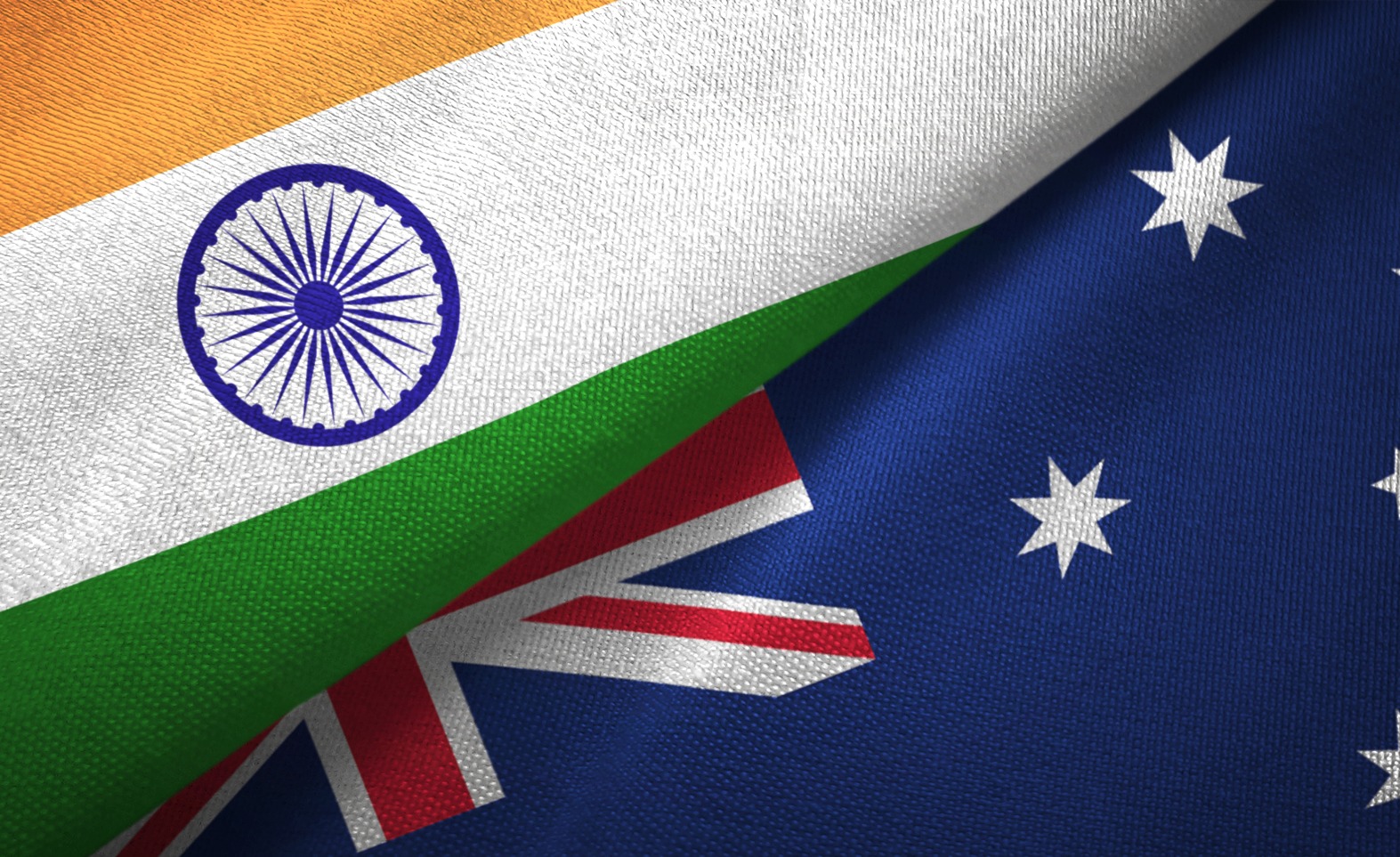
Australia is seeking to significantly deepen its cooperation with India in the critical minerals sector, particularly lithium and cobalt, as part of the evolving relationship between the two countries. According to Australian High Commissioner to India Philip Green, discussions during Australian Foreign Minister Penny Wong’s recent visit to New Delhi emphasised the collaboration in this domain. Australia, already a major global producer of lithium, sees India, poised to become a major battery and electric-vehicle (EV) manufacturing hub, as a natural partner in securing high-quality, long-term raw material supply chains.
The partnership is being operationalised via a framework between Australia’s Critical Minerals Office and India’s Ministry of Mines, under which five major lithium- and cobalt-focussed projects have been identified for Indian private-sector investment or offtake agreements. Beyond pure extraction, the cooperation signals greater integration of supply-chain, processing, and manufacturing linkages between the two countries, which reflects broader shifts in the global minerals market and energy-transition imperatives.
In parallel, High Commissioner Green underscored the strategic dimension of the relationship: Australia perceives its bilateral ties with India as “very stable” amidst global disruptions and sees the grouping Quadrilateral Security Dialogue (the “Quad”), which includes Australia, India, the U.S. and Japan, as a “powerful vector” for ensuring a peaceful, prosperous Indo-Pacific. He also expressed Australia’s eagerness for India to host the next Quad Leaders’ Summit, signalling Canberra’s readiness to travel to India whenever Prime Minister Narendra Modi sets the date.
Source: Economic Times